Samaria Gorge – The longest gorge in Crete, with a 16-kilometer hike!
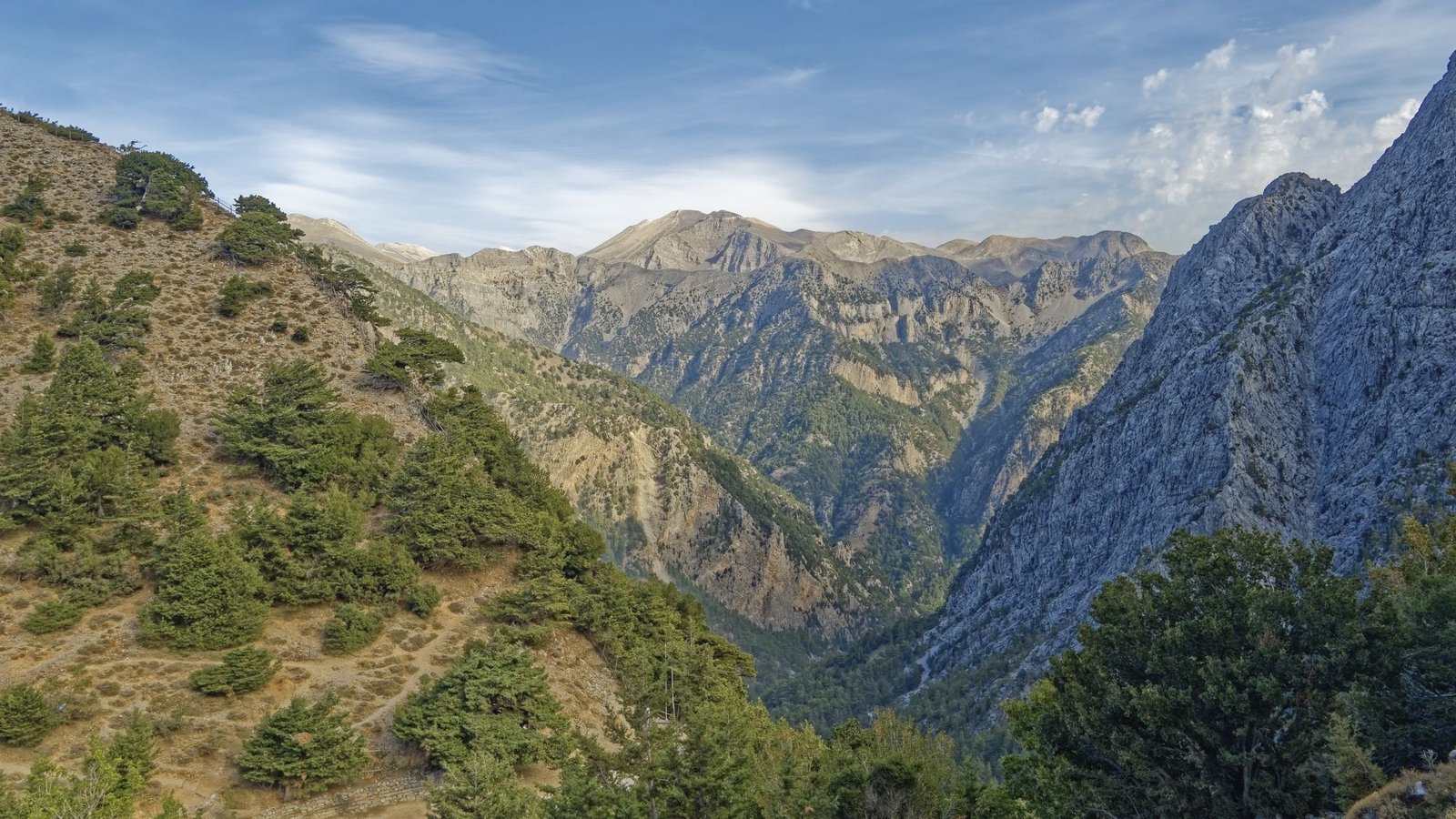
The Samaria Gorge is the “jewel” of Cretan nature and one of the most important attractions for adventure lovers worldwide. It is located in the southern part of the prefecture of Chania, in the White Mountains range, and has been designated a National Park as well as a UNESCO Biosphere Reserve.
If you’re wondering why thousands of visitors choose to hike this challenging 16-kilometer trail every year, the answer lies in its wild beauty, its unique flora and fauna, and the sense of absolute freedom the landscape offers.
The Route: From Xyloskalo to Agia Roumeli
The adventure usually begins early in the morning from Xyloskalo on the Omalos Plateau, at an altitude of about 1,200 meters. The name “Xyloskalo” comes from the steep wooden staircase that locals used to use to enter the gorge.
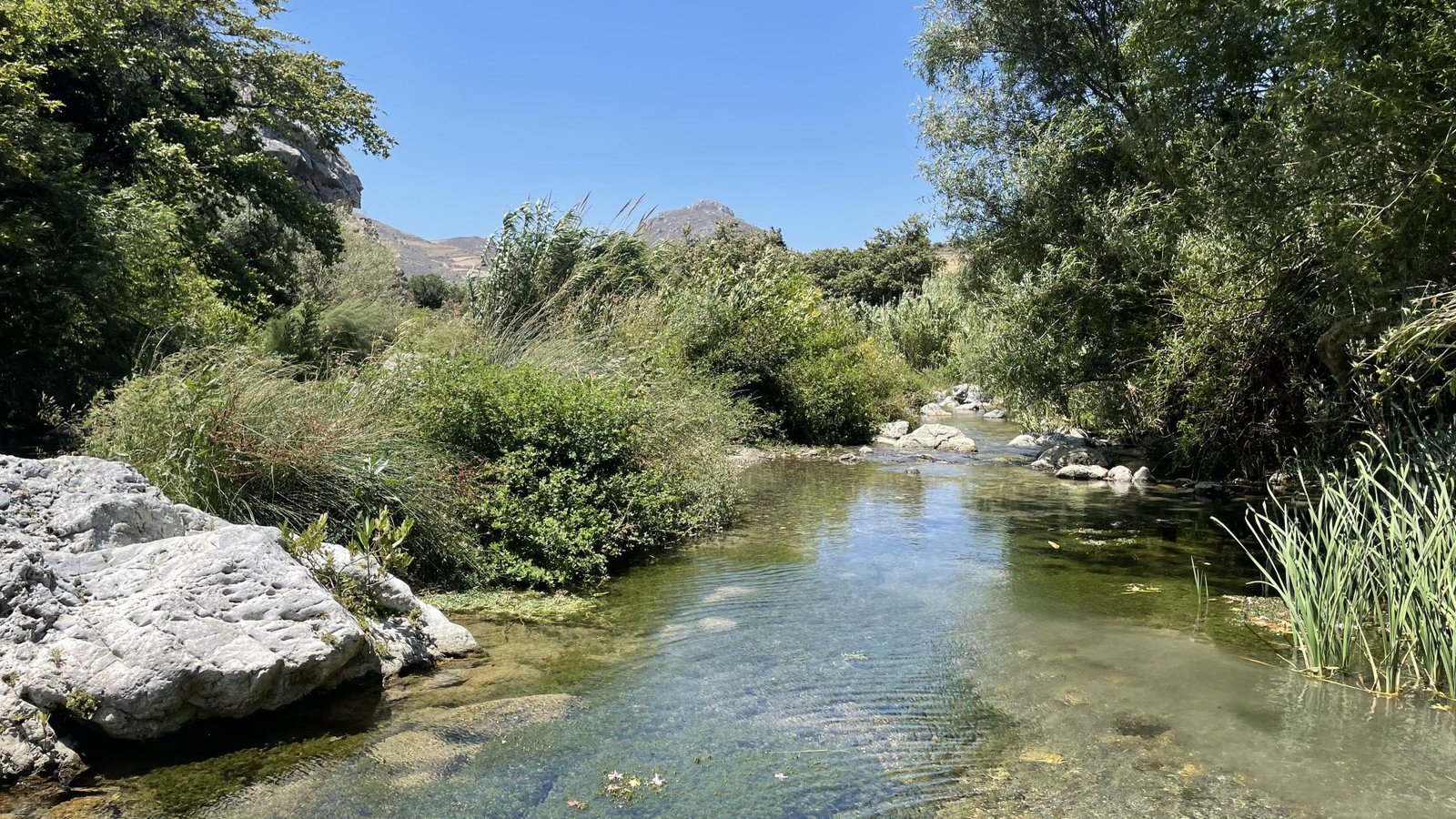
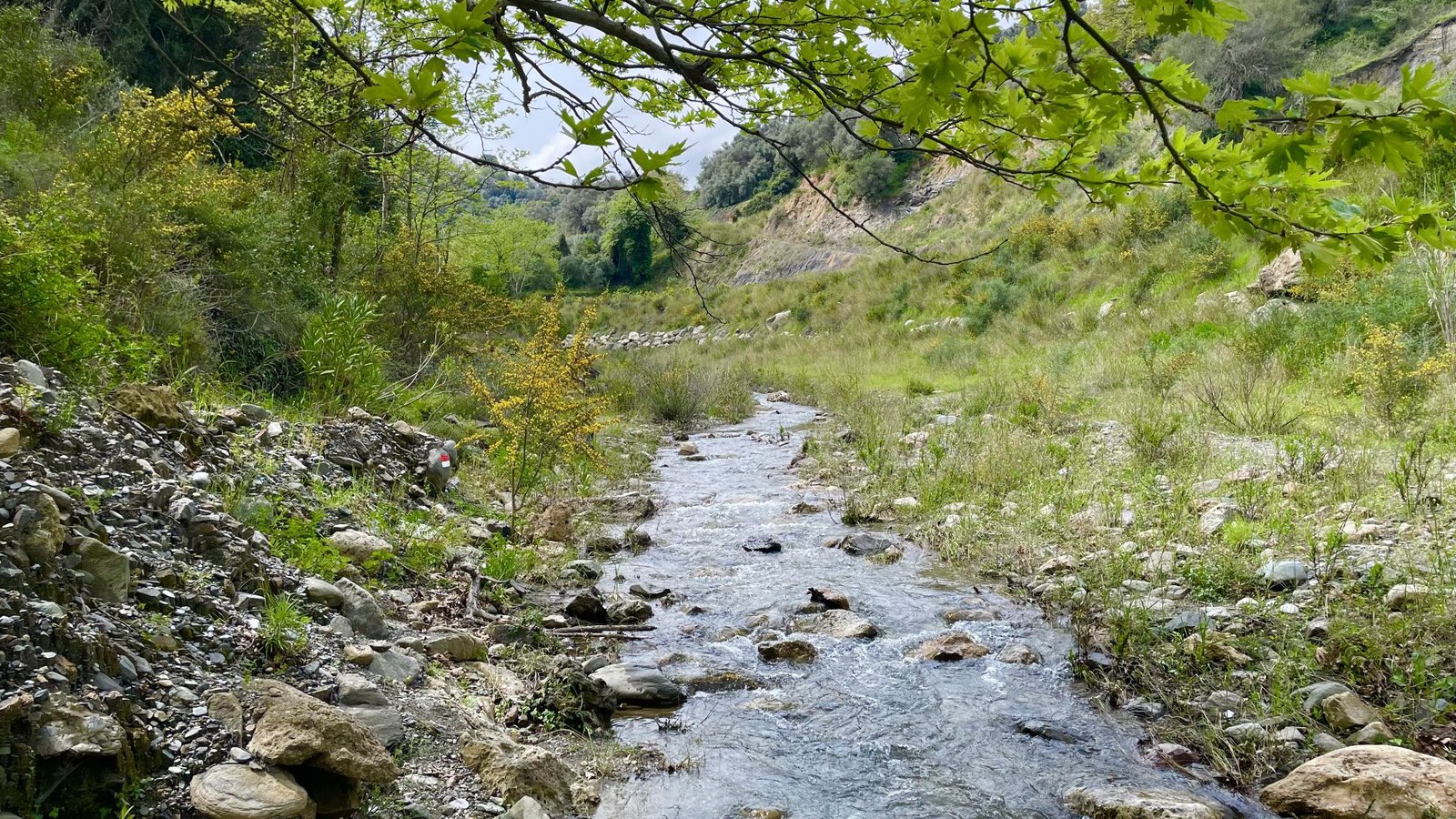
The first few kilometers are the hardest on the knees, as the descent is steep through a dense forest of pine and cypress trees. As you proceed, the landscape changes, the canyon walls rise, and the sound of water (in the spring) accompanies you. The total route within the National Park is approximately 13 kilometers, while the additional kilometers to Agia Roumeli Beach complete the 16-kilometer experience.
What to see: "The Iron Gates" and the Cretan Aegagrus
The highlight of the route is undoubtedly the “Iron Gates.” This is the narrowest point of the gorge, where the opening is just 3 meters wide, while the cliffs on either side rise vertically to a height of 300 meters. It is the spot where every hiker stops for the obligatory photo, feeling the awe of nature.
During your hike through the Samaria Gorge, you have a good chance of encountering the famous Kri-Kri (the Cretan wild goat). These proud animals roam freely in the forest, and although they are friendly, they remain wild creatures that are strictly protected.
The abandoned village of Samaria
About halfway along the route, you’ll come across the old village of Samaria. Its residents abandoned it in 1962, when the area was designated a National Park. Today, the restored houses serve as rest stops for hikers, offering shade, running water from the springs, and a glimpse of traditional Cretan architecture.
Practical Tips: What to Bring With You
Hiking in Samaria is not just a simple walk. It requires good physical condition and the right equipment:
1. Shoes: Do not attempt the hike in flip-flops or regular city sneakers. You need hiking boots or athletic shoes with good traction (grip) for the rocks.
2. Water: You don’t need to carry gallons of water. There are many natural springs along the route where you can refill your bottle.
3. Protection: Sunscreen, a hat, and light snacks (nuts, fruit) are essential.
4. Time: Allow 5 to 7 hours, depending on your pace and the breaks you take.
When is the Samaria Gorge open?
The park usually opens on May 1 and closes at the end of October, depending on weather conditions. If there has been heavy rain during the winter or there is a risk of landslides, the opening date may be postponed. It is always a good idea to check the park’s official website before you set out.
The Ending: A Plunge into the Libyan Sea
The sense of relief after 16 kilometers comes the moment you catch sight of the azure waters of the Libyan Sea. Agia Roumeli is a village accessible only via the gorge or by boat. A dip in the cold, crystal-clear waters of the beach is the best reward for your efforts. From there, you’ll take the boat to Hora Sfakion or Sougia to return to your base.
The Samaria Gorge is a challenge that every visitor to Crete should take on. It’s a trek that tests your endurance, but rewards you with sights that will remain etched in your memory forever.
Here at CreteXplorer, we discover and recommend the best places in Crete, from stunning beaches to unique hiking trails and exceptional places to eat. If you want to explore even more destinations and experiences on the island, you can check out all our suggestions here and plan your trip exactly as you like.